

The phrase "production-ready" gets used loosely in the event and venue industry. It can mean a venue has a microphone stand and a projector screen. It can also mean the space was engineered from the foundation for complex technical productions. The difference matters significantly when you are actually producing something.
Here is what a production-ready venue actually includes, and where most event spaces fall short.
Power Distribution Built for Production
Standard event venues run 200 amp single-phase service. For a dinner with chandeliers and a DJ rig, that is sufficient. For a production with professional lighting, LED systems, video playback servers, broadcast equipment, and catering running simultaneously, it is not.
Production-ready venues have three-phase power distribution at 400 to 600 amps or higher, with cam-lock tie-in access distributed throughout the floor. Cam-lock distribution allows production electricians to connect directly to the power infrastructure without running extension cables from a single panel across the room.
This matters for two reasons. The first is raw capacity: more amperage means more equipment can run concurrently without tripping circuits. The second is stability: clean, distributed three-phase power reduces voltage sag and fluctuation that affects LED processors, camera systems, and audio equipment, all of which are sensitive to dirty power.
If a venue describes its power by saying "we have standard outlets throughout the space," that is the answer. It means cam-lock tie-in is not available and generator rental will likely be required for anything technically ambitious.
Certified Rigging Infrastructure
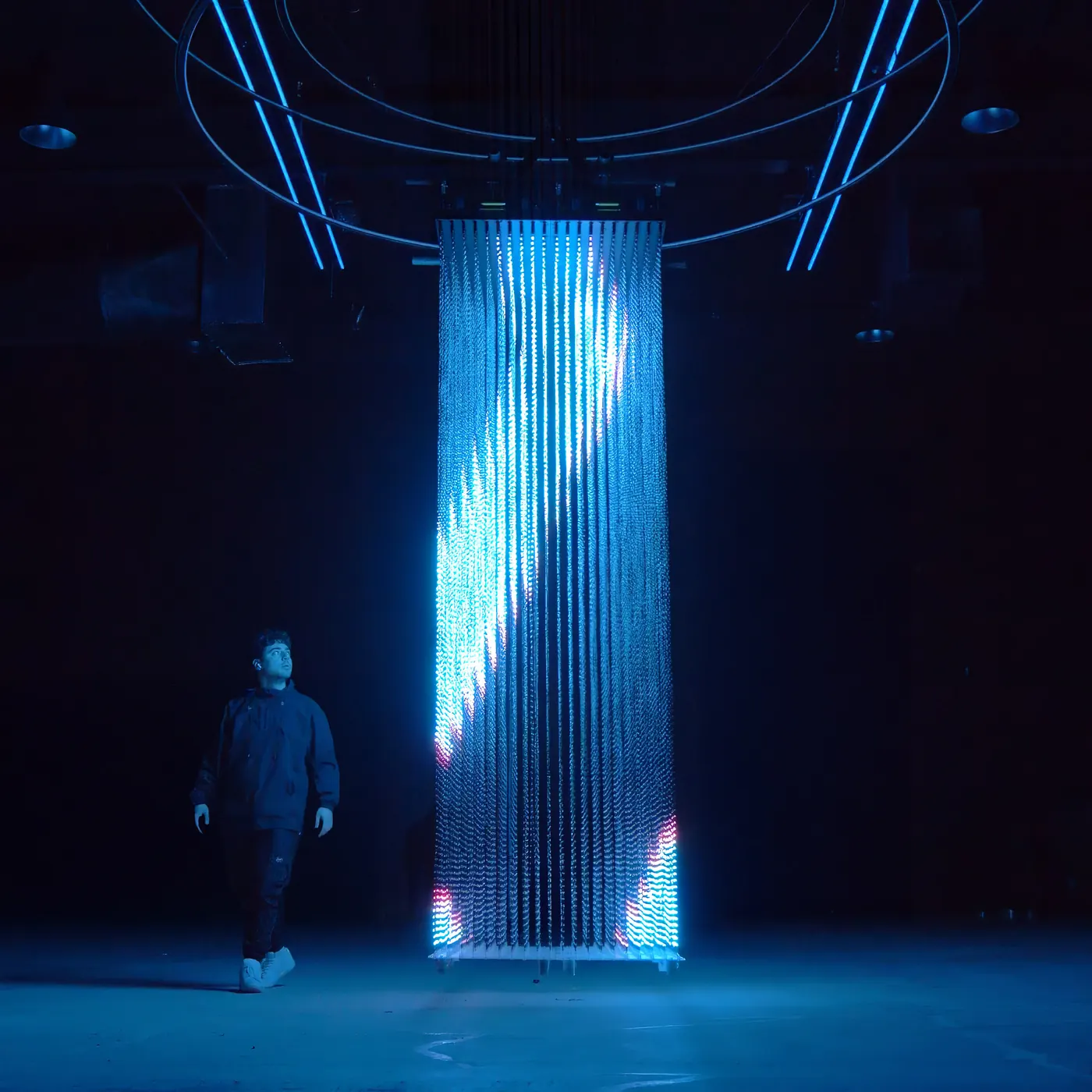
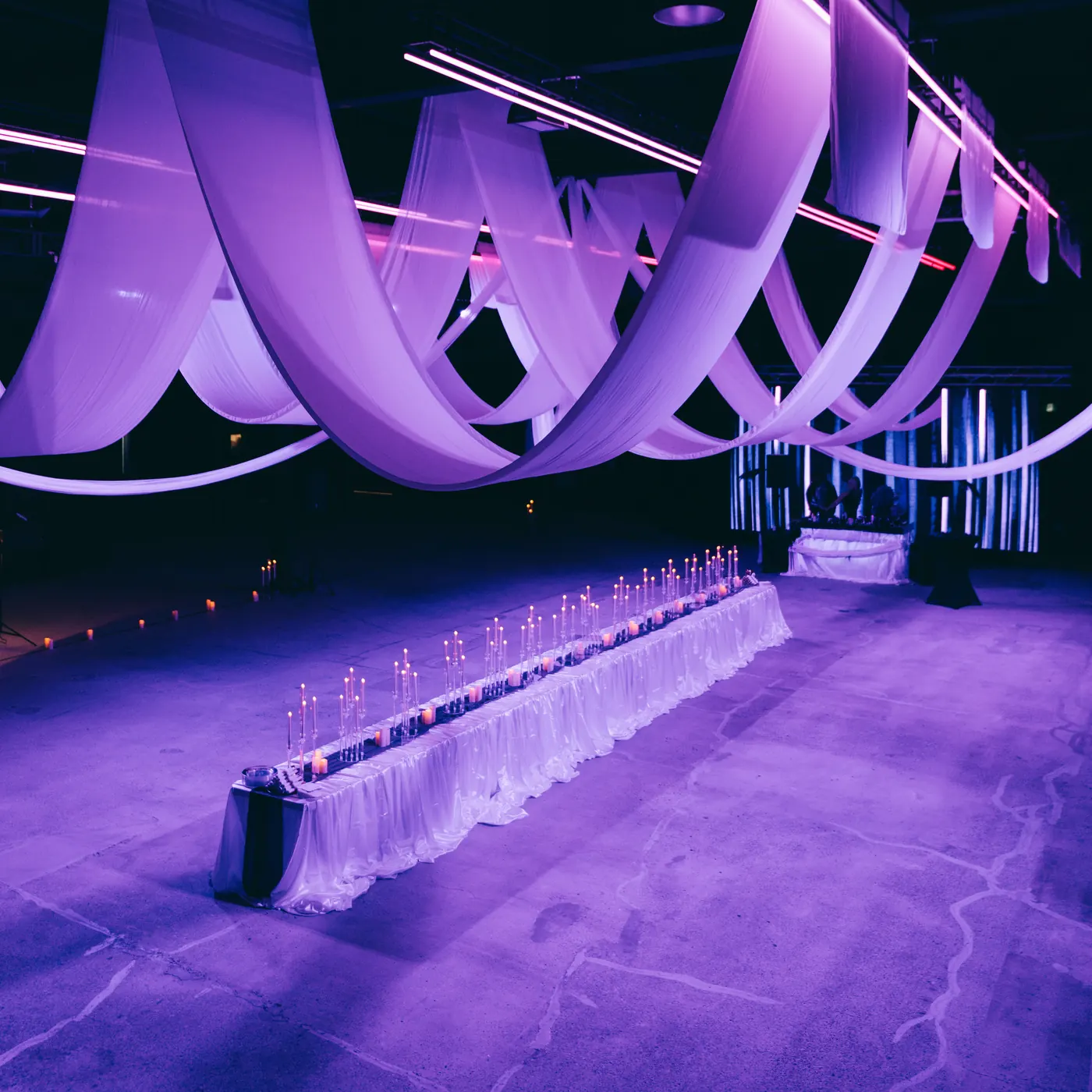
Rigging is the ability to suspend things safely overhead: lighting fixtures, speaker arrays, draping, truss systems, LED screens, scenic elements, and video walls.
Most event venues have no rigging infrastructure. Some have decorative ceiling hardware that was never rated for load. A smaller number have certified rigging points with posted load ratings and current inspection records.
The distinction matters both for safety and for production capability. Without certified rigging, everything overhead requires freestanding ground support, which consumes floor space, adds labor, and limits flexibility considerably.
Production-ready venues have overhead rigging infrastructure with documented load ratings distributed across the full floor grid. They know the capacity per point, per bay, and across the overall system. They have records of inspection and can provide that documentation before you put anything in the air.
If a venue cannot confirm the rated capacity of their rigging points and produce documentation on request, treat that infrastructure as unavailable and budget for ground support alternatives accordingly.
Ceiling Height for Production
Fourteen feet feels open for a reception. For production purposes it is limiting in ways that become apparent quickly.
At 14 feet, lighting positions are low enough that fixtures routinely appear at the edge of frame. Wide shots include the ceiling and the rig. Overhead scenic elements are not possible at meaningful scale. Camera angles looking upward are limited to a narrow range.
At 20 feet and above, the room opens up in ways that change production entirely. Lights can be positioned to fall naturally on subjects without appearing in frame. Wide shots read as environment rather than ceiling. Scenic builds can extend vertically. LED and projection systems can operate at distances that allow proper image depth and quality.
Twenty-four foot clear ceilings represent a meaningful threshold for technically ambitious production. Clear ceiling height refers to the clearance at the underside of the lowest structural element, not the peak of an arched or vaulted space.
An Integrated Professional Sound System
Renting a full professional sound system for a single event typically costs between $8,000 and $30,000 or more depending on scale, including system, delivery, labor, and technical support. For regular or recurring productions, that cost adds up fast.
Production-ready venues with integrated professional audio infrastructure change the equation substantially. A properly specified in-house system, installed and tuned to the specific room, performs more consistently than a rented rig driven to a loading dock the morning of the event and adjusted during soundcheck.
More importantly, a system designed for the dimensions and acoustic signature of a specific space delivers more controlled and predictable audio than a generalist rental solution.
When evaluating a venue's in-house audio, ask about array type and coverage pattern, subwoofer configuration, signal routing flexibility, and whether the system can interface with external technical riders or must be operated exclusively through the venue's own channels.
Drive-In Loading Access
Film and event equipment moves in road cases, on rolling carts, and in production trucks. The physical path from the street to the production floor determines how long load-in takes and what labor it requires.
A venue with freight elevator access on a timed booking schedule adds unpredictability to every production. A venue where equipment must be carried up stairs or through narrow corridors limits what can realistically be brought in within a practical time window.
Drive-in loading access, where a vehicle can be brought directly into or immediately adjacent to the production floor, is the standard that changes the production experience. It eliminates elevator scheduling conflicts, reduces required crew, and allows large scenic elements and heavy equipment to be moved efficiently without the constraints imposed by building infrastructure.
For any production involving significant equipment, drive-in loading access is one of the most underrated venue specifications.
Technical Expertise On Site
There is a real difference between venue operations staff and technical production staff.
Venue operations staff manage access, enforce policies, coordinate catering and cleaning, and keep the building functioning. These are essential services, but they are not production expertise.
Technical staff understand signal routing, power distribution, rigging systems, audio troubleshooting, and video infrastructure. They can speak to a production manager about tie-in access, rigging load limits, video signal pathways, and ground support options. They read a technical rider and can confirm whether the infrastructure meets the specifications before the production team arrives.
This distinction is most visible under pressure. A venue-only team is helpful during setup and reliable for access logistics. A venue with genuine in-house technical capability is an active resource across the entire production timeline, from pre-production questions through show day troubleshooting.
The Difference in Practice
The gap between a general event space and a production-ready venue is most visible on show day, but it is determined during pre-production.
Teams that ask the right technical questions before booking understand what they are walking into. They know whether generator rental is required. They know whether the rigging supports the incoming design. They know whether the load-in window is realistic for the production scale.
Teams that discover these answers after booking deal with compressed timelines, unbudgeted costs, and production decisions made under pressure on the day the audience arrives.
In Toronto, genuinely production-ready venues are a subset of the total inventory. Identifying them early, and verifying the infrastructure claims before signing, is one of the most practical things a production team can do.
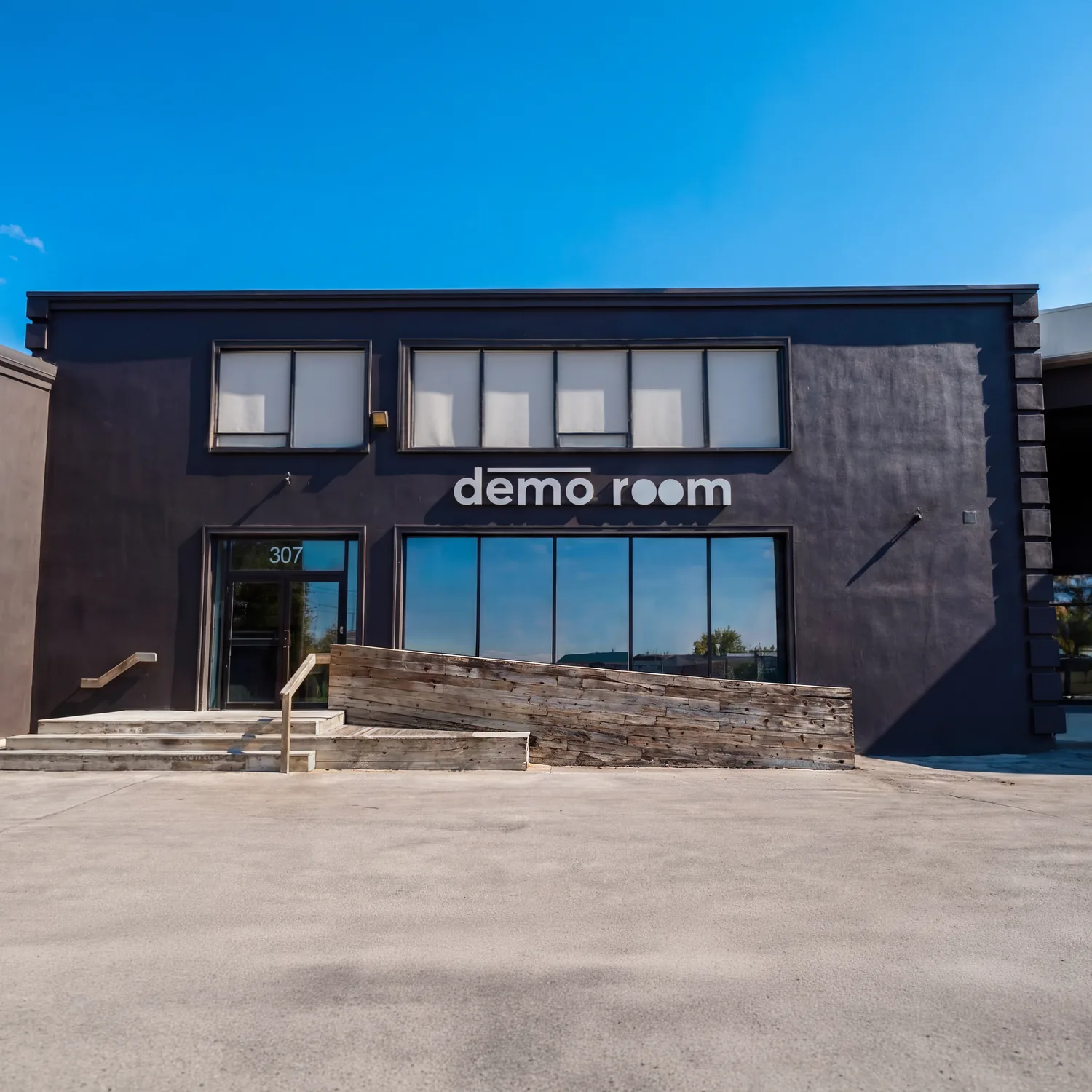
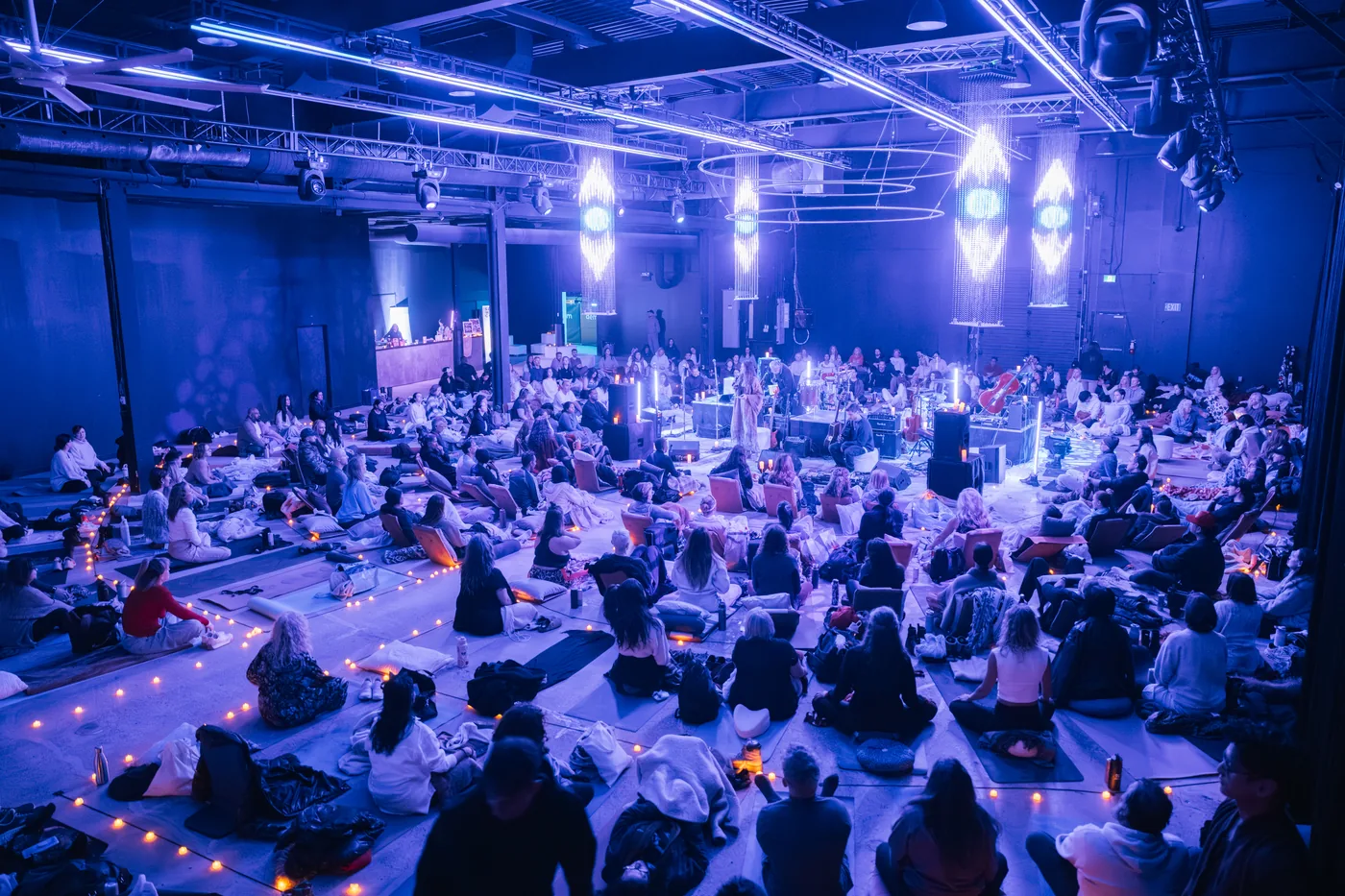
Demo Room was designed with production requirements as the starting point, not as features retrofitted into a conventional event space. The power distribution, rigging infrastructure, ceiling height, drive-in loading, and in-house technical team were all part of the original brief. Schedule a walkthrough to see the infrastructure in person before your next project.
build it at demo room
A production-capable venue that plans the technical thinking with you, not after you.