

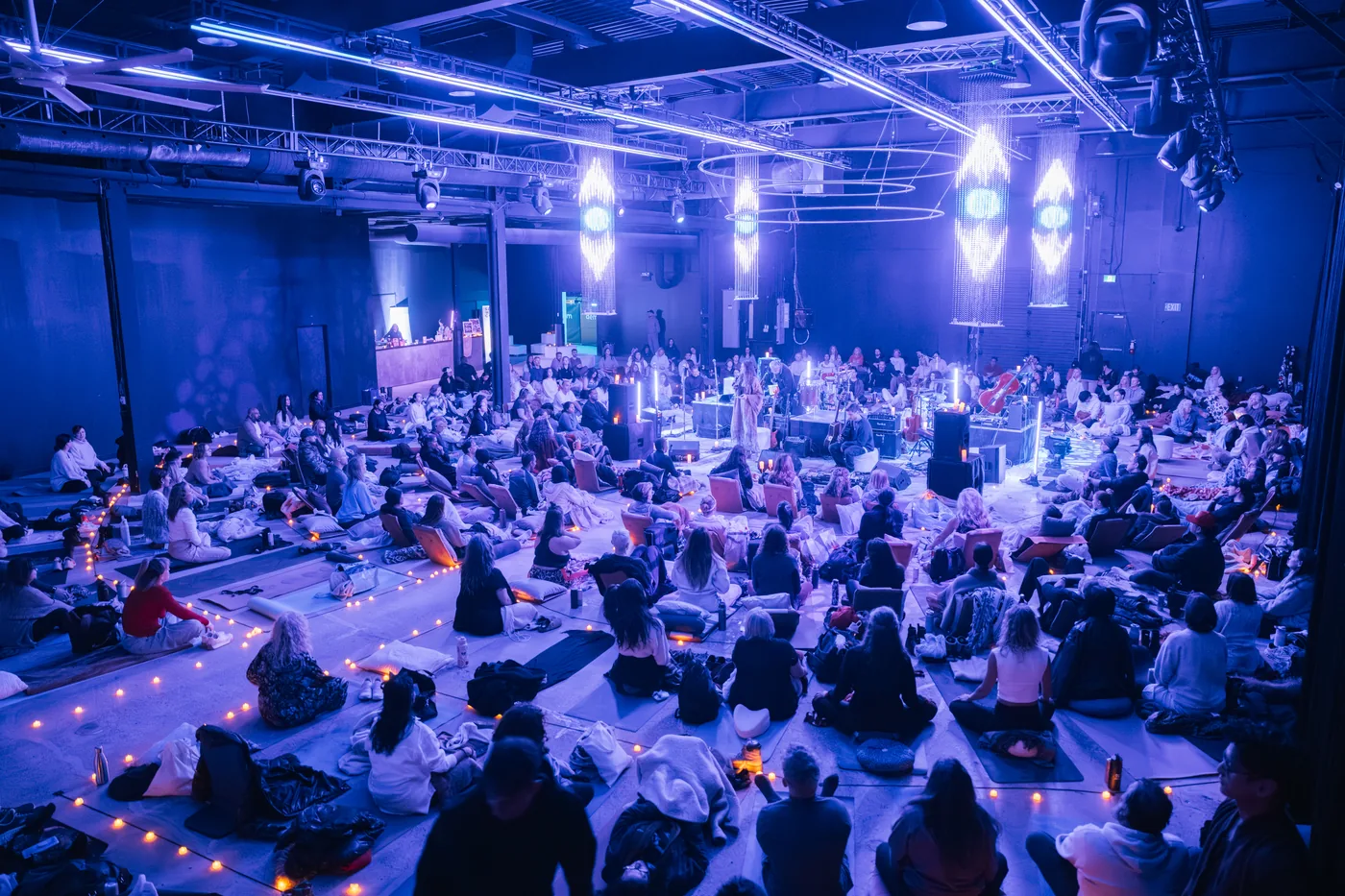
Planning a concert or live performance in Toronto involves a different set of decisions than planning a corporate event or brand activation. The audience, the technical requirements, the regulatory environment, and the production timeline all have specific characteristics that need to be understood before a venue contract is signed.
This guide covers what producers and artists need to know when booking a performance space in Toronto.
Production Footprint vs Audience Capacity
Venue capacity is listed in terms of audience. Production footprint is the portion of that capacity consumed by the stage, lighting rig, front-of-house position, monitor world, backline, and crew staging areas.
For a small acoustic performance, the production footprint is minimal and the audience can fill most of the room. For a concert with a full lighting rig, video wall, FOH console, monitor engineer, backline, and production backstage, that footprint can consume 20 to 40 percent of the total floor.
This matters significantly when comparing venues. A space listed at 1,200 standing capacity may only support 750 to 800 audience members once a proper stage and production setup is installed. A venue listed at 800 may actually work better for a production-first show because the room proportions are designed to accommodate technical requirements alongside the audience rather than one at the expense of the other.
Before finalizing any Toronto performance venue, map the full production layout on paper and confirm the actual usable audience floor space with that layout in place.
Sound System: The Non-Negotiable
The sound system determines more than audio quality. It determines whether the room can support the artist's technical rider, whether the performance translates to the back of the space, and whether the production team can do their jobs or spend the show compensating for system limitations.
For concerts and live performances, the relevant specifications include main array type and coverage pattern, subwoofer configuration and placement options, front-of-house console position and sightlines to the stage, monitor system type, signal routing flexibility, and the system's ability to interface with an incoming technical rider.
A venue with an underpowered or consumer-grade sound system can sometimes be supplemented by a rental rig. That approach adds cost, setup time, and calibration complexity. Venues with professional installed systems that can accept incoming production teams working on their infrastructure offer a more efficient and more sonically consistent path.
For live performance in Toronto, the quality of in-house audio infrastructure is one of the most important factors in venue selection, often more important than raw square footage.
Rigging for Lighting and Video
Live concerts almost always require some degree of overhead rigging: at minimum for lighting positions, and increasingly for video systems, LED walls, and speaker hangs.
A venue without rated rigging infrastructure defaults to ground-supported alternatives: box truss, totems, and floor stands. These work technically, but they consume floor space, reduce flexibility, and add rental and labor cost to the budget that would not exist in a properly rigged room.
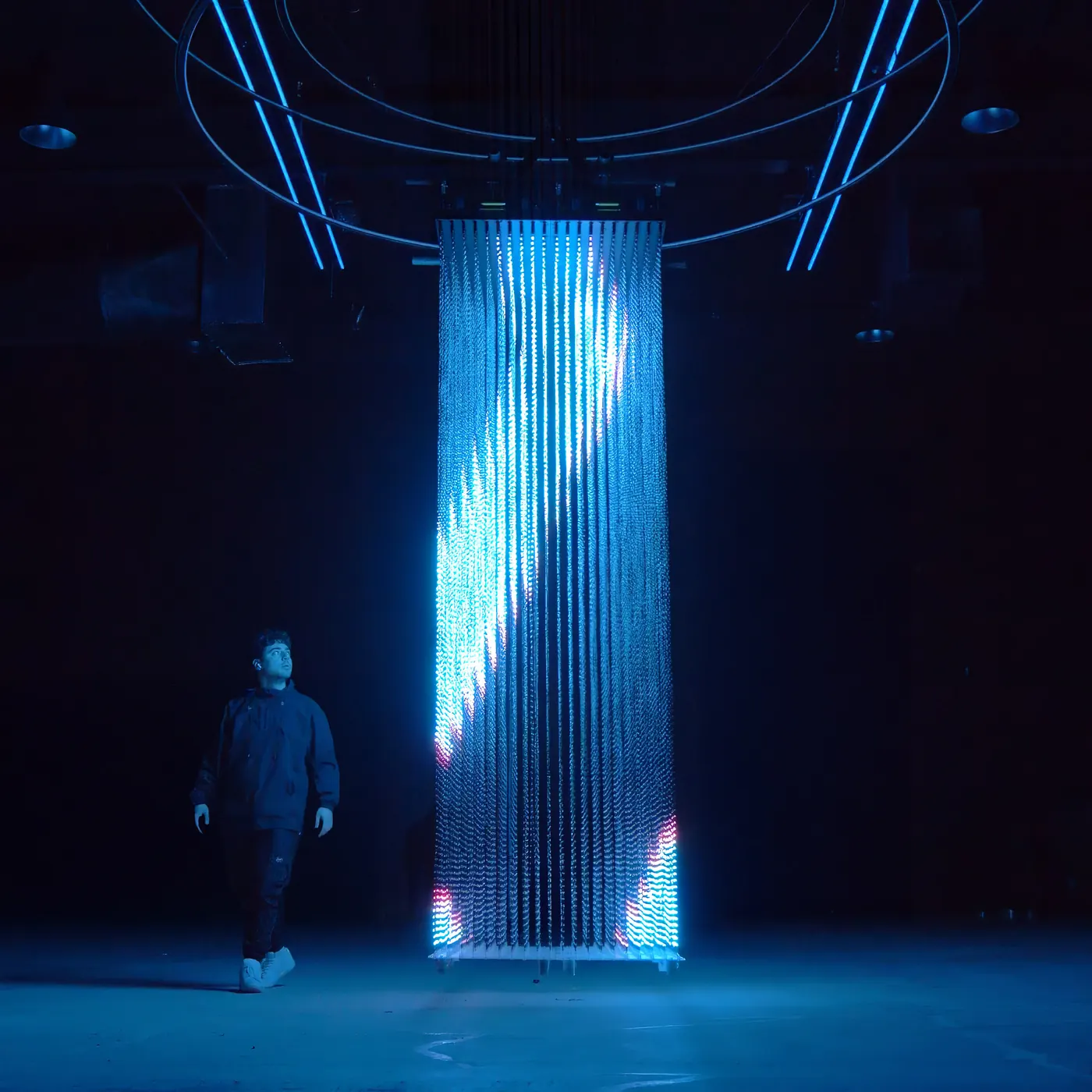
Venues with overhead rigging grids allow flying truss, hanging video panels, and positioning speaker arrays at angles that improve coverage without using floor space. They give productions more flexibility when shows vary in configuration across multiple dates.
Before assuming a Toronto venue can support an incoming lighting and video design, confirm the rigging load ratings per point, confirm access to the overhead infrastructure, and confirm whether the venue requires a preferred rigging contractor or allows incoming production teams to work with their own riggers.
Stage Configuration and Sightlines
Not all stages work for all types of shows.
A fixed proscenium stage works well for performances with a clear front-of-stage orientation and no need to extend the audience relationship. An end-stage configuration in a warehouse or black-box environment allows more flexible sightlines and can be modified depending on production requirements. A thrust or in-the-round format serves productions that want to surround the audience but requires a different technical approach to lighting coverage and video angles.
The most flexible venues for performance production offer a flat, unobstructed floor that can be configured for different stage positions. This allows the production team to define the performance geometry rather than inheriting whatever the venue constructed permanently into the space.
For touring productions, shows with non-standard staging, and events that combine performance with brand or activation elements, floor configuration flexibility is a meaningful production asset.
Permits, Curfews, and Operational Limits
Live performances in Toronto are subject to operational limits that vary by venue type, zoning, and licensing.
Hours of operation and noise curfews affect what time the show can end and how late the sound system can run at volume. Occupancy limits set by fire code and the venue's permit define the maximum number of people in the space. Alcohol service at a venue without a permanent liquor license requires a Special Occasion Permit from the AGCO, applied for in advance. Outdoor or partially open-air performance involves additional sound and assembly permit requirements.
These parameters need to be understood before the production schedule is designed around them. A show built to end at midnight in a venue with an 11pm sound curfew is a problem that has to be negotiated or redesigned, not discovered at the technical rider review.
Know the operational limits of the venue before building the show around them.
Load-In, Soundcheck, and Load-Out
Concert production involves three distinct logistical phases: load-in, soundcheck and show, and load-out.
Load-in is when the production team brings equipment into the venue, assembles the rig, and prepares for soundcheck. Depending on the scale of production, this can take anywhere from four hours to two full days. Productions that underestimate load-in time compress soundcheck, which affects show quality directly.
Changeover is the period between soundcheck and doors, and between support acts during a multi-artist show. For productions with multiple artists, each changeover is a discrete logistics problem: instruments, monitors, and stage positions all need to change within the allotted window.
Load-out typically happens immediately after the show ends, often within a defined window tied to the venue's operating hours. Overtime access is available at most venues at a cost, but that cost compounds quickly after midnight.
Venue rental agreements for performances include load-in access for a defined window before the show, with load-out expected to conclude by a specified time. Productions that work within these windows predictably stay on budget. Productions that discover these windows at signing often do not.
Why the Room Shapes the Show
A performance in a room designed for production is a different experience than a performance in a room designed for something else and adapted for music.
Rooms built for events have acoustic properties shaped by decoration, hard surfaces, and fixed furniture. They were not designed for a line array at performance volume, and the room's acoustic response makes that clear to everyone in the audience.
Rooms designed for performance and production are built to support audio systems, rigging positions, and technical infrastructure in a way that makes the show better, not just possible.
For concerts and live performances in Toronto, the room is part of the production. Choosing one designed for it changes what the show can become.
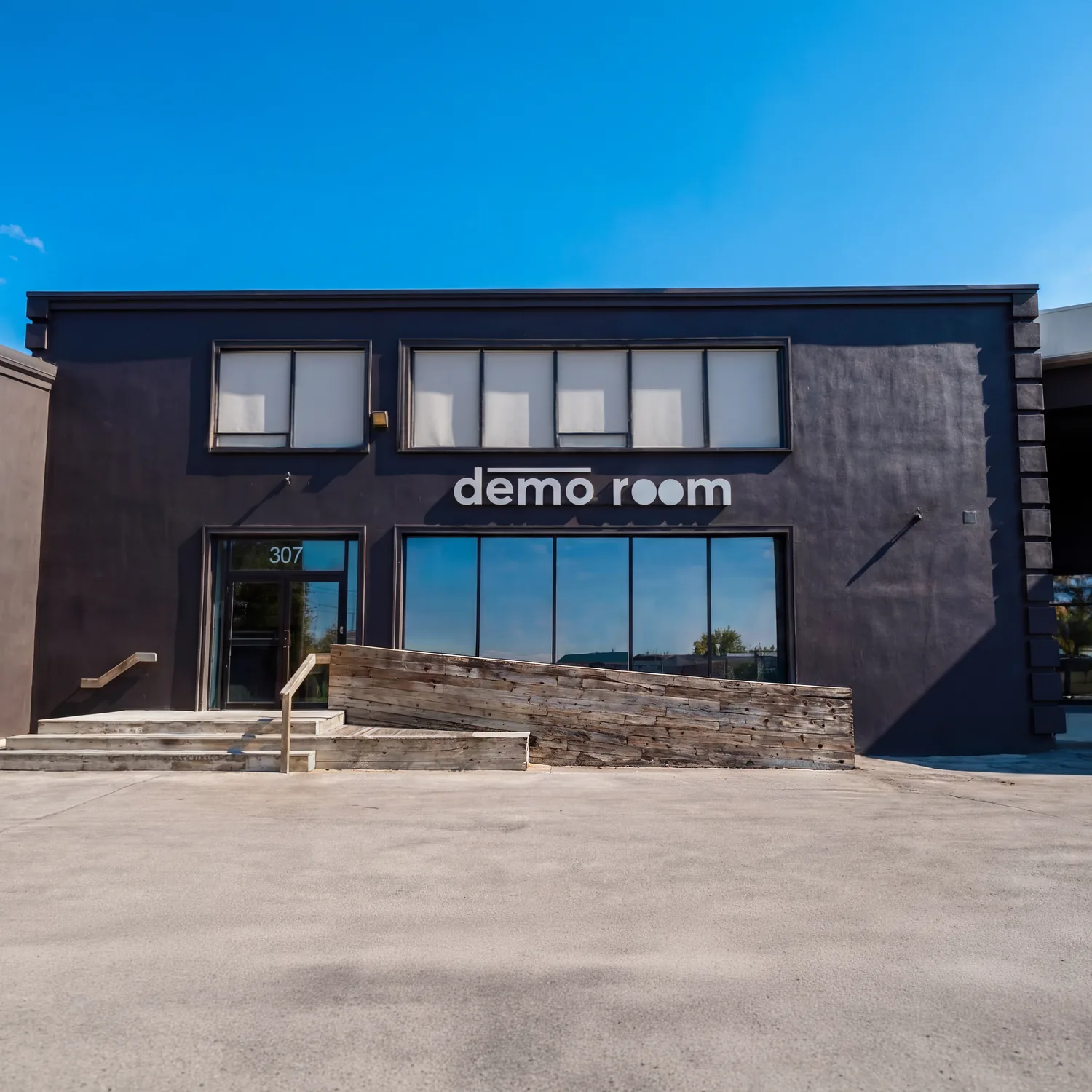
Demo Room was built with performance production as a core use case: the acoustic environment, the rigging infrastructure, the power distribution, and the VOID sound system work together to support the kind of show that would otherwise require significant added production investment to achieve in a conventional space. Book a private tour to walk the floor and discuss your production requirements with the team.
build it at demo room
A production-capable venue that plans the technical thinking with you, not after you.