

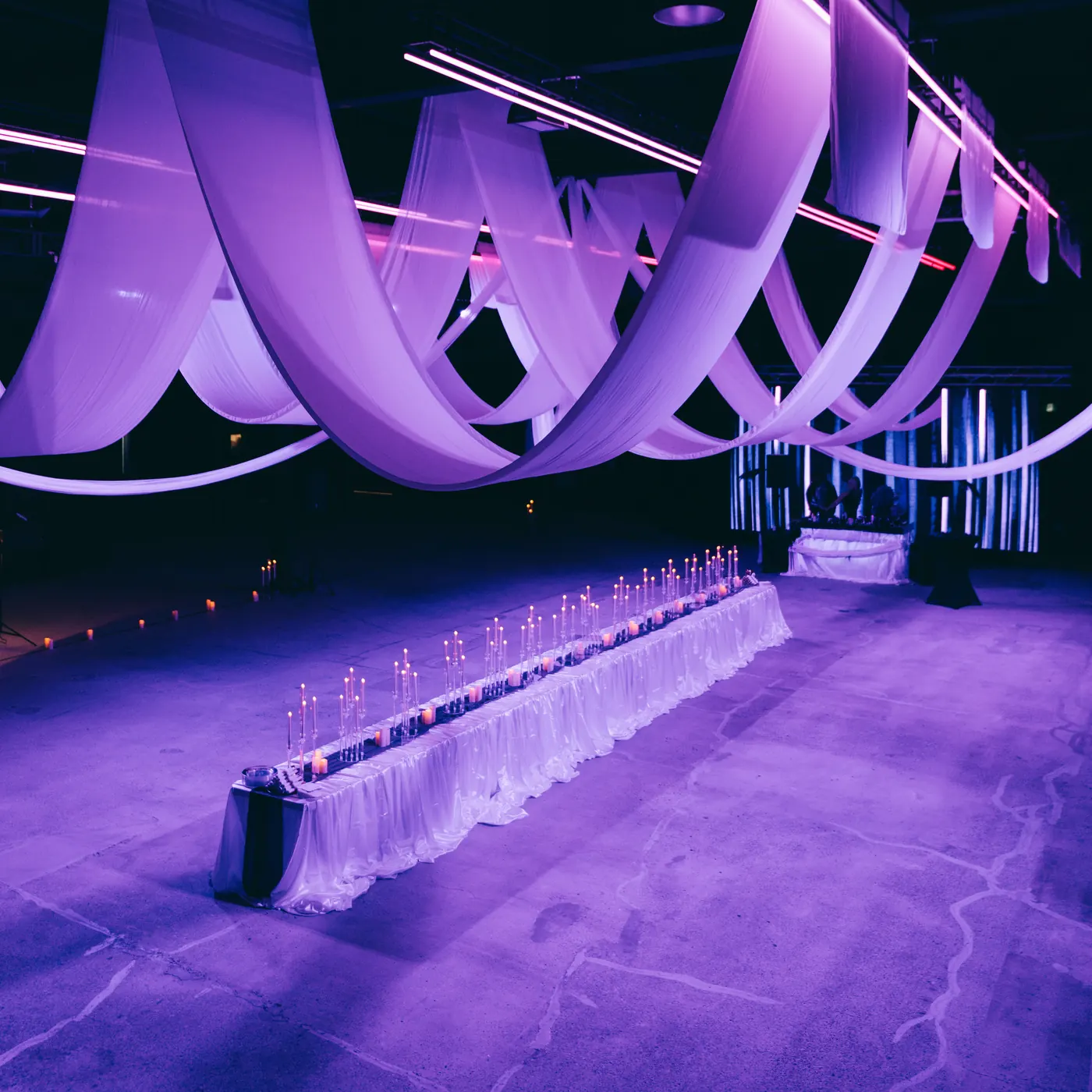
Brand activations are one of the more demanding production formats because they require the venue, the technology, and the brand narrative to work as a single integrated system. When they land, the experience feels seamless. When they do not, the gaps are visible in every detail.
This guide covers what to think through when planning a brand activation in Toronto, from space selection to day-of logistics.
Start With the Experience, Not the Space
The most common mistake is choosing a venue before defining the activation concept. A space is not an experience. It is a container for one.
Before looking at venues, get clear on what the activation should produce in the audience: a specific feeling, a behavior, a media moment, a relationship with the product or the brand. Then ask what type of physical environment makes that outcome achievable.
An activation built around a product reveal moment needs different infrastructure than one built around a multi-hour immersive installation. A media-facing launch where the primary audience is camera needs a different lighting and staging environment than a consumer experience where dwell time and physical interaction are the primary goals.
The concept determines the technical requirements, which determine the type of venue that can actually support it.
The Technical Gap in Most Toronto Event Spaces
Toronto has a large and varied inventory of event venues. Most of them were built for hospitality: dinners, conferences, galas, and conventional presentations. They have banquet lighting, basic in-house audio, and enough power to run catering equipment.
Brand activations at any meaningful scale typically need considerably more.
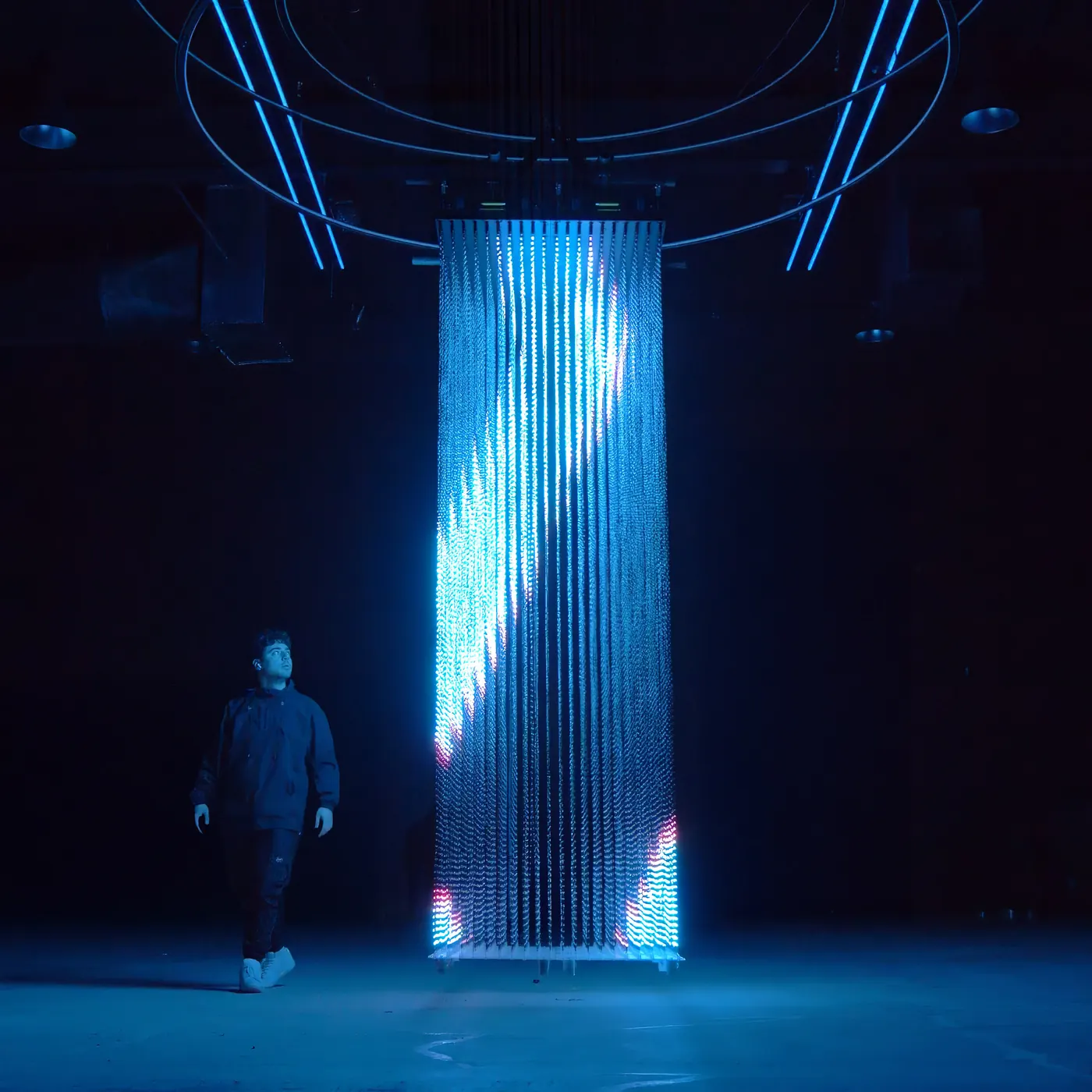
LED walls, projection mapping, large-format scenic builds, immersive audio systems, synchronized lighting rigs, fog and haze infrastructure, motion-sensor interactive installations, and RFID-driven personalization experiences all require power distribution, rigging access, floor clearance, and technical coordination that most conventional event spaces were not designed to provide.
The gap between what an activation concept requires technically and what a traditional venue offers is where most productions lose time and budget. The workarounds are expensive: generator rentals, rigging specialists brought in to improvise overhead solutions, power distribution runs across the floor, and crew time spent managing limitations instead of building the show.
Production-capable spaces designed for technical installations eliminate a significant portion of that friction before production even begins.
Space Selection: What Actually Matters
When evaluating Toronto venues for a brand activation, the most important factors to investigate are power availability, rigging infrastructure, floor configuration, loading logistics, and ceiling height.
Power availability determines whether heavy production equipment can run reliably without tripping circuits or creating voltage instability. Rigging infrastructure determines whether overhead lighting, draping, scenic elements, and video systems can be suspended safely without improvised freestanding solutions. Floor configuration determines how much of the space is actually available for the activation itself versus being consumed by production staging and crew areas. Loading logistics determine how long setup takes and how much labor it requires. Ceiling height determines what is visually and technically possible for large-format builds and overhead experiences.
A venue that scores well across all five reduces the number of variables a production team has to manage on show day.
Build Time Is a Budget Line Item
Activation environments typically require more build time than the event itself takes to run.
A multi-element activation with custom scenic, video systems, and technical rigging may require two to three days of installation and one dedicated day of technical rehearsal before the event opens. A simpler activation might need one full build day and a half-day for testing and adjustment.
The venue needs to accommodate that timeline. If the space is unavailable until the morning of the event, the activation either gets simplified in the hours before doors, or the crew works through the night. Both options are expensive and both introduce quality risk.
When budgeting for a brand activation in Toronto, treat the venue's access window as a line item. The cheapest venue with the tightest access schedule rarely produces the most cost-efficient overall project.
Technical Rehearsal Is Not Optional
Activations with technology components require time to work before the audience arrives.
Video systems need to be color-calibrated and mapped to the physical environment. Audio systems need to be tuned to the room, with levels confirmed at the expected operating volume. Interactive systems need to be tested by multiple people under realistic load conditions, not only by the person who built them.
The best activations are technically rehearsed until every system runs without intervention. The operator's role on show day should be monitoring and adjustment, not active problem-solving under audience conditions.
Productions that skip or compress technical rehearsal introduce real risk on the day the brand's audience and media are present.
Day-Of Logistics Most Teams Underplan
A few areas consistently cause problems on activation day even when the creative and technical execution is solid.
Crew routing and load-in flow become congested when the activation venue, catering delivery, and guest entrance share the same access point. Confirm in advance how different groups move through the space and what time windows govern each.
Power draw during a high-attendance activation can exceed what was anticipated in rehearsal. Assign a technical team member to monitor distribution actively during peak attendance periods.
Guest flow through the activation should be physically walked before doors open. Identify areas where congestion is likely and decide in advance how staff are positioned to guide traffic without interrupting the experience.
Confirm with the venue what technical support is available during the event itself. In a venue with in-house technical staff, problems get resolved quickly and quietly. In a venue without that capability, every technical issue becomes the production team's problem to solve in front of the audience.
Why the Venue Is Never Just a Room
For a brand activation, the venue is part of the product.
The acoustics of the space affect how music and voiceover feel to an audience moving through it. The ceiling height and surface quality determine what visual systems are physically possible. The loading access determines how polished the build looks at the time the first guest arrives. The ambient light level determines whether LED or projection environments read the way they were designed.
Treating the venue as a neutral container leads to a persistent gap between the concept presented in the pitch and the activation that exists on the day.
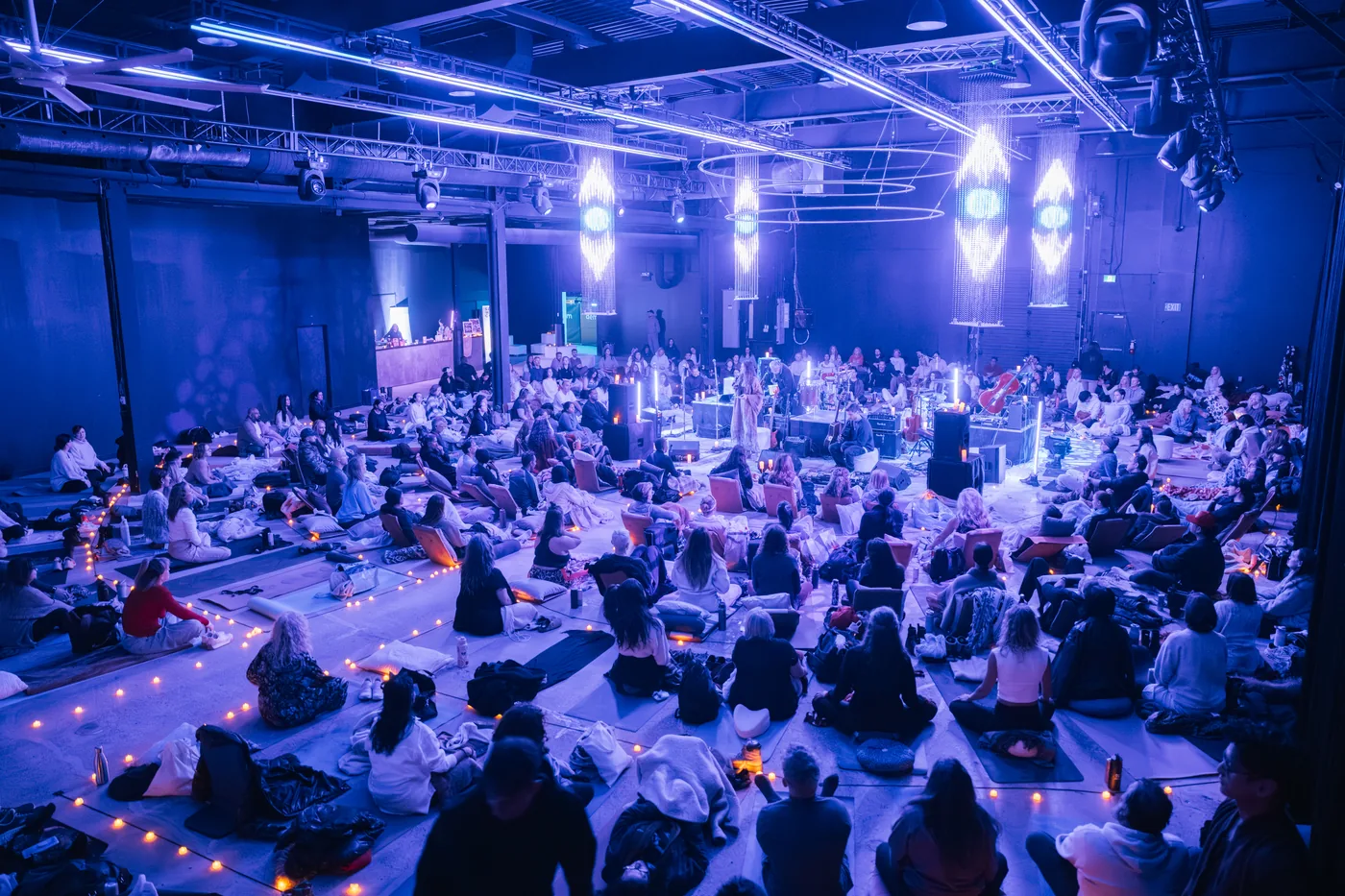
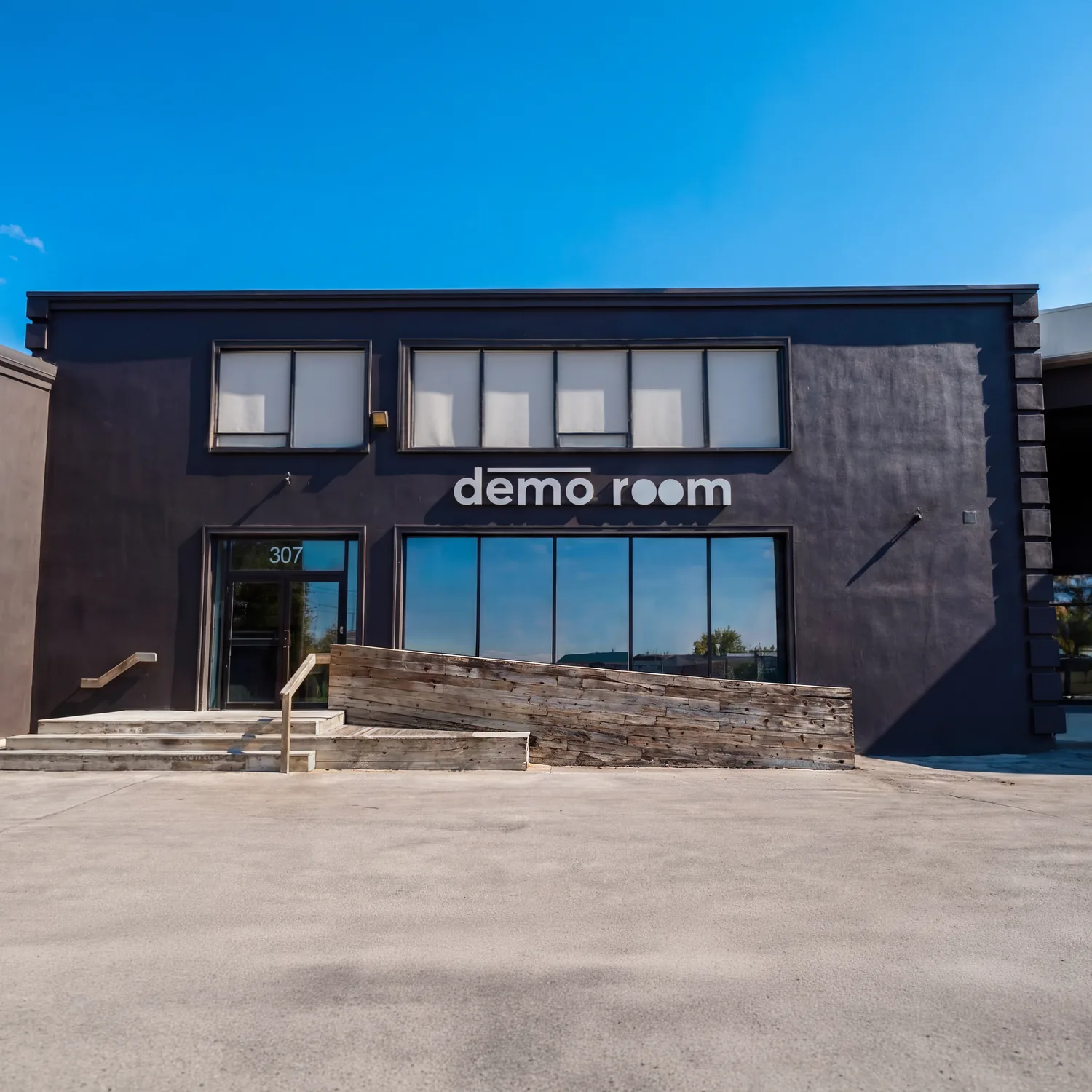
The strongest brand environments in Toronto are the ones where the physical space is a production asset, not a backdrop. Demo Room was built on that principle: starting from infrastructure and working outward toward experience, rather than fitting production into a room that was designed for something else. Book a private tour to walk the space and discuss your activation concept with the team.
build it at demo room
A production-capable venue that plans the technical thinking with you, not after you.